
The Temporary Storm Surcharge Ends in September, Lowering Your Electric Costs.
In September, the temporary storm surcharge will be removed from bills. For residential customers, this means a decrease of $19.95 per 1,000 kWh. Many customers use more than 1,000 kWh each month, so they'll see even greater savings. Most businesses can expect electric costs to decrease by approximately 1 to 12%, depending on usage. The surcharge helps cover approximately $464 million in restoration costs after the historic 2024 hurricane season.
Beat the Heat and Chill Your Bill with Hot-Weather Solutions
Discover simple, expert-backed ways to stay cool and manage your summer energy costs.
Start With These Programs
Our programs help you cut energy use, reduce costs, earn bill credits and get more predictable monthly payments.
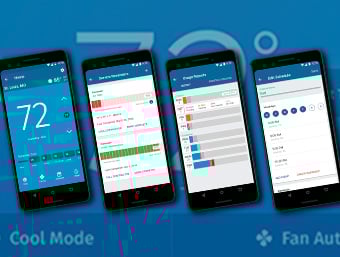
Prime Time Plus
Earn monthly bill credits and get a free smart thermostat, all with no changes to your routine.

Budget Billing
Enjoy more consistent bills with a predictable monthly payment based on your average usage.

Energy Audits
Try our free in-home or online Energy Audit to pinpoint ways to lower your energy costs.

Energy Planner
This free option offers lower rates about 87% of the time when you shift energy use to low-demand periods (think doing laundry on weekends). You also get a free smart thermostat.

Rebates and Discounts
Check out our discounts and rebates on energy-saving improvements like ductwork, ceiling insulation, heating and cooling system and smart thermostats.
Get A/C Tips From Our Energy Experts
Learn how your A/C works, why summer heat makes it run harder, and thermostat settings and tips that deliver meaningful savings.
Air conditioning is the biggest cause of higher bills during hot weather. In Florida’s 90°+ heat and high humidity, A/C systems run longer and more often to cool and remove moisture from the air, sometimes operating nearly nonstop for months. This increased use can drive up electric bills.
In this example, even at 78°F, a 20° difference makes the A/C run almost nonstop. In homes with poor insulation or undersized units, it may not cycle off or reach the set temperature.
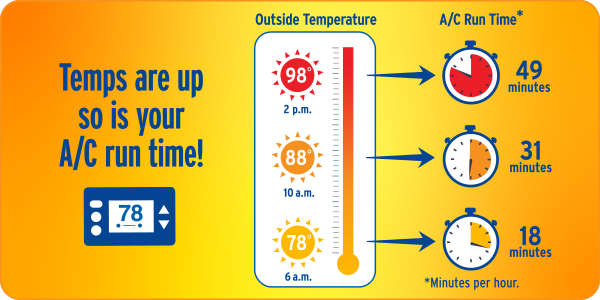
Based on a 1,700 sq. ft. home with a 13 SEER, 3-ton A/C unit set at 78°.
Smart Cooling Tips
- Change air-conditioning filters monthly and make sure they’re installed in the correct direction. This can cut cooling energy use by up to 15%.
- Service cooling systems annually and adjust for maximum efficiency.
- Seal and insulate ductwork. Leaky ducts can account for nearly 20% of an air conditioner’s energy use.
- Insulate your attic access door and close it tightly if it is located in an air-conditioned area.
- In warm weather, run ceiling fans counterclockwise in occupied rooms. This will pull the warm air up to the ceiling and away from the living space.
- Turn fans off in unoccupied rooms (fans cool people, not rooms).
- Close fireplace dampers.
- Close shades and drapes during the day to help keep the heat outside.
- Weather-strip windows and doors properly.
Get our top 10 hot weather energy-saving tips for more ways to save.
Discover More Ways to Save—In 30 Seconds or Less
Get Help, Give Help
We understand that higher electric bills can be a hardship for some customers. To help, we offer a variety of options to assist with bill payments. Additionally, we’ve partnered with compassionate organizations that may be able to offer further support with utility bills and other services.

Payment Assistance
Review our payment assistance programs and resources and reach out for help if you need it.

Share
Participate in our Share program to help qualifying customers pay their utility bills or get help for yourself if you need it.